Edge Grain Cutting Board
An edge-grain cutting board is one of the most popular choices for modern kitchen spaces. These cutting boards offer the perfect mix of beauty, strength, and long-lasting performance. From first-time home cooks practicing simple meal prep to experienced chefs using sharp knives every day, an edge-grain board offers a dependable surface for nearly all kitchen cutting tasks. Every kitchen task.
Many home cooks prefer edge-grain boards because they are durable, easier to maintain than some other wooden boards, and available in many styles like maple edge-grain, walnut edge-grain, and cherry edge-grain designs. From compact prep surfaces to oversized butcher blocks, edge-grain construction remains a popular choice for both home kitchens and busy restaurants in Los Angeles and many other places.
In this guide, you will learn everything about grain cutting boards, including materials, grain orientation, maintenance, pros, cons, knife safety, and how to choose the best board for your kitchen.
Table of Contents
What Is an Edge Grain Cutting Board?
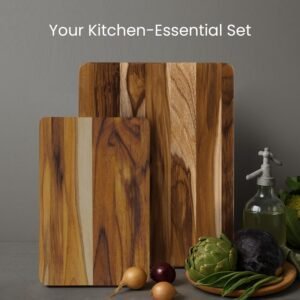
An edge-grain cutting board is made by placing strips of wood together so the long edge of each piece faces upward. This creates the familiar parallel lines visible across the board surface. The grain consistency gives the board a clean and elegant appearance while also improving durability.
Unlike face-grain boards, which show the wide face of the lumber, edge-grain boards expose the edge side of the wood. This edge-grain design makes the board stronger and more resistant to deep cuts and warping over time.
The most common woods used in edge-grain construction include:
- Maple
- Walnut
- Cherry
- Teak wood
- Acacia
- Other hardwood species
Because the wood fibers run vertically through the cutting surface, edge-grain cutting boards can better handle repeated knife use multiple times every day.
Edge Grain vs End Grain vs Face Grain
Understanding grain orientation helps you choose the right cutting board for your needs.
Edge Grain Boards
Edge-grain boards are made from long strips of hardwood glued side by side. The result is a strong and smooth surface with excellent durability and moderate weight.
End Grain Boards
End-grain construction is made by showing the cut ends of the wood fibers on the board surface. End-grain boards are often softer on knife edges because the fibers separate slightly during cutting and close again afterward. These boards are common in butcher blocks and premium chef kitchens.
However, end-grain cutting boards are usually more expensive, heavier, and require more maintenance.
Face Grain Boards
Face-grain boards display the flat face of the lumber. They are attractive but less durable for heavy cutting. These boards are often used more for serving or presentation rather than serious food preparation.

Why Edge Grain Cutting Boards Are So Popular
There are many reasons why home cooks and chefs continue choosing edge-grain cutting boards over plastic boards or cheaper materials.
Excellent Durability
Edge-grain construction creates a strong board that resists cracking and warping. Hardwood species like maple, walnut, cherry, and teak provide additional strength.
A properly maintained edge-grain board can last for many years.
Better for Knives
The wood fibers are gentler on knife blades than glass, stone, or hard plastic cutting boards. This helps protect expensive knives from becoming dull too quickly.
Sharp knife edges last longer when used on quality wood cutting boards.
Attractive Design
Edge-grain boards have beautiful parallel lines and natural grain consistency. Woods like walnut edge grain and cherry edge grain offer rich colors that improve the look of any kitchen countertop.
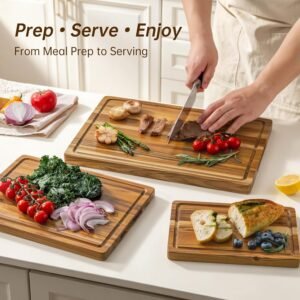
Many people use these boards as both prep tools and serving boards.
Easy Handling
Compared to large end-grain butcher blocks, edge-grain boards are lighter and easier to move with one hand. This makes them a great choice for everyday cooking and food prep work. Lower Maintenance
Edge-grain boards require less maintenance than many end-grain boards. Occasional oiling and proper care are usually enough to keep them looking great.

Best Woods for Edge Grain Cutting Boards
Maple Edge Grain
Maple is one of the most popular choices for cutting boards. Maple hardwood is dense, durable, and naturally resistant to bacteria.
A maple edge-grain board usually has a light color and clean appearance that fits well in almost every home.
Walnut Edge Grain
Walnut edge-grain boards are loved for their dark, rich color. Walnut is slightly softer than maple but still highly durable.
These boards add a premium look to kitchen countertops and are popular among chefs and woodworkers.
Cherry Edge Grain
Cherry edge-grain boards have a warm reddish tone that becomes darker over time. Cherry wood is smooth and attractive while still being safe for food preparation.
Teak Wood
Teak wood contains natural oil that helps resist moisture. FSC-certified teak boards are especially popular because they come from responsibly managed forests.
Acacia
Acacia cutting boards are affordable and stylish. They offer good durability and unique grain patterns.
Important Features to Look For
Juice Groove
A juice groove helps collect liquids from meat, fruits, or vegetables during cutting.
Non-Slip Feet
Non-slip feet improve safety and prevent the board from sliding during use.
Thickness
A thicker board usually lasts longer. Some heavy butcher blocks may even reach 4-inch thick construction.
Specific Size
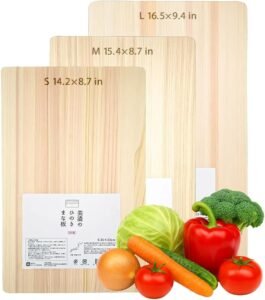
Choose a specific size based on your kitchen space and cooking habits.
Solid Wood Construction
Solid wood boards are stronger and more reliable than cheap products made from weak materials or poor adhesive quality.
Pros of Edge Grain Boards
Many pros make edge-grain boards a smart investment.
- Strong and durable construction
- Safer for knife blade protection
- Attractive grain patterns
- Easier maintenance
- Good balance between weight and strength
- Ideal for home cooks and professional chefs
- Excellent for everyday food preparation
Cons of Edge Grain Boards
Although edge-grain cutting boards are excellent, they also have a few cons.
- Visible marks over time
- Heavier than plastic boards
- Require hand wash
- Need regular mineral oil
- Not safe for the dishwasher
Still, most cooks believe the advantages outweigh the disadvantages.
Proper Care and Maintenance
Hand Washing
Always use dish soap and warm water for hand washing. Never place wooden boards in the dishwasher because heat and water can damage the wood fibers and loosen the glued joints.
Dry Immediately
After washing, dry the board with a towel and stand it upright.
Use Mineral Oil
Food-safe mineral oil protects the wood from cracking and drying.
Apply Board Butter
Many people use board butter for extra protection and shine.
Sanding the Surface
Over time, deep marks may appear. Use different sanding grits, like 220-grit sandpaper for smooth wood fibers sanding.
How Edge Grain Boards Protect Knives
Hard surfaces like glass are very abrasive and damage knife edges quickly.
The softer wood fibers in edge-grain boards reduce pressure on the knife’s sharp edge and protect it.
This is why many professional chefs prefer wooden cutting boards for daily use.
Choosing the Right Edge Grain Cutting Board
When shopping for a new board, think about:
- Size
- Thickness
- Hardwood type
- Design
- Weight
- Maintenance
- Presence of a juice groove
- Whether it includes non-slip feet
Some people also prefer custom designs made by local woodworks shops.
Final Thoughts
An edge-grain cutting board is one of the best tools you can add to your kitchen. The mix of natural beauty, strong construction, and excellent durability makes these boards perfect for everyday use.
Whether you choose maple edge grain, walnut edge grain, cherry edge grain, teak, or acacia, a quality solid wood board can last for years with proper care.
With regular mineral oil, careful handwashing, and occasional sanding, your edge-grain board will continue to look beautiful while protecting your knives during every food-preparation session.