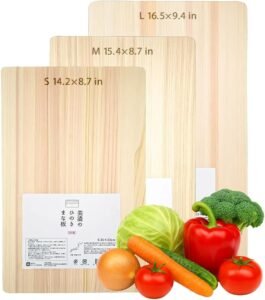
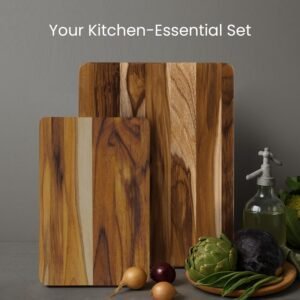
A high-quality Acacia Wood Cutting Board is one of the best kitchen tools for daily cooking. People love this type of wood because it combines beauty, strength, and long-lasting durability. The rich grain, smooth surface, and natural waterproof nature make acacia a favorite material for cutting boards, countertops, and even acacia furniture.
Different species of acacia trees grow around the world, including in the United States. Some related trees are also known as false acacia, robinia, or black locust. These deciduous trees are valued for their dense heartwood, beautiful wood, and strong resistance to humidity and water damage.
Today, many homeowners choose acacia furniture, kitchen accessories, and cutting boards because of their natural look and excellent quality.
What Makes Acacia Wood Special?
Acacia wood comes from fast-growing trees and is considered a premium hardwood material. The natural grain patterns, attractive color changes, and visible knots create a stylish appearance that works well in any room.
Unlike some soft woods, acacia has high density, making it stronger and more resistant to scratches and everyday kitchen use.
The natural beauty of acacia comes from:
- Rich latewood patterns
- Warm color tones
- Smooth finish
- Natural grain
- Strong heartwood
Many people compare acacia to oak, but acacia often has more unique movement in the wood pattern and usually comes at a better price.
Acacia Wood Cutting Board Set with Holder – 4 Piece Wooden Cutting Board Set with Stand – Reversible Charcuterie Tray with Juice Grooves and Silver Handles – Stylish Kitchen Gift

Strong Durability for Everyday Use
One reason people buy an Acacia Wood Cutting Board is its excellent durability. The dense surface handles knife pressure well while protecting the board from deep cuts and cracks.
Because of its strength, acacia works perfectly for:
- Cutting vegetables
- Slicing fruit
- Preparing meat
- Serving bread
- Kitchen presentation
The strong material can last for many years when properly maintained.
Natural Resistance to Water and Humidity
Another big advantage of acacia wood is its natural resistance to water and humidity.
The oils inside the wood help reduce moisture absorption and lower the risk of fungi growth. This is why many people describe acacia as having a strong waterproof nature.
Still, too much water exposure can create water damage over time.
To protect your cutting board:
- Never leave it soaking in water
- Dry it after washing
- Store it upright
- Keep it away from direct heat
Leaving the board in the same place with poor airflow may slowly weaken the surface.
Beautiful Acacia Furniture Style
Many homeowners love acacia furniture because the natural grain gives a warm and elegant appearance.
Besides cutting boards, acacia wood is used for:
- Dining tables
- Shelves
- Cabinets
- Kitchen countertops
- Decorative trays
The rich colors work beautifully with modern and farmhouse home designs.
Because of the fast growth of acacia trees, this material is often considered more eco-friendly than slower-growing hardwoods like oak.
Sanding and Smooth Surface Finish
The smooth surface of an Acacia Wood Cutting Board comes from careful sanding and finishing methods.
Manufacturers use:
- Sanders
- Eccentric sanders
- Orbital sanding machines
These tools create a polished finish using simultaneous rotation and small ellipses.
This special movement helps reduce swirl marks while keeping the natural grain visible.
The easy step sanding process normally includes:
- Rough sanding
- Medium sanding
- Fine sanding
- Oil finish application
This process is one of the most important processes in creating a high-quality cutting board.

Why a Good Finish Matters
A good finish protects the wood from moisture and daily use.
The oil treatment improves:
- Resistance
- Surface protection
- Appearance
- Durability
- Water protection
Without a proper finish, the board may absorb water and develop cracks after years of use.
The smooth finish also makes cleaning easier and keeps the board looking fresh.
Acacia Wood vs Oak
Many buyers compare acacia and oak because both are premium hardwoods.
Advantages of Acacia
- Better resistance to humidity
- More decorative grain
- Lower price
- Rich natural colors
- Strong durability
Advantages of Oak
- Traditional appearance
- Widely available
- Easy refinishing
- Long furniture history
In many kitchens, acacia wood performs just as well as oak while offering a more stylish appearance.
Understanding False Acacia and Robinia
Some people confuse acacia with false acacia species like Robinia pseudoacacia.
Robinia pseudoacacia, also called black locust, is famous for:
- Strong firewood
- Dense heartwood
- Excellent heat
- Outdoor durability
These black locust trees belong to a related family and share many characteristics with traditional acacia woods.
Is Acacia Firewood Good?
Yes, acacia firewood is considered very effective because of its high calorific value and slow wood burn.
Many people use it in:
- Open fireplaces
- Open hearth systems
- Indoor heating
- Closed fireplace.do setups
Benefits include:
- Strong appreciable heat
- Long burning time
- Low smoke
- Small embers
- Low spark formation, no odor
- Quiet burning with resin, low noise qualities
A half cord of dry acacia firewood can provide reliable heating during the winter months.
Because of the high density, the wood burns slowly and produces steady heat.
This is why many people call black locust and false acacias some of the best firewood options.
Common Weak Point of Acacia Wood
Even though there are many advantages, every type of wood has some downsides.
Heavy Weight
Because of its strong density, acacia wood can feel heavier than bamboo or plastic boards.
Risk of Water Damage
Too much exposure to water may eventually create cracks or warping.
Maintenance Requirement
Like all natural woods, acacia needs regular oil treatment to keep the finish fresh and smooth.
Environmental Benefits of Acacia Trees
The fast growth of acacia trees makes them a more renewable resource than slower hardwood species.
These trees also help improve soil quality and support nearby plants and natural ecosystems.
Because of this eco-friendly growth cycle, many people choose acacia furniture and kitchen products as a sustainable option.
How to Maintain an Acacia Wood Cutting Board
Keeping an Acacia Wood Cutting Board in good condition is simple.
Cleaning Tips
- Wash with warm water
- Use mild soap
- Dry immediately
- Avoid dishwashers
Oil Treatment
Apply mineral oil regularly to protect the surface and reduce damage from humidity.
Storage Tips
Keep the cutting board in a well-ventilated and dry area to help maintain its condition. Avoid placing it for extended periods near damp spaces or under direct sunlight, as this may affect the wood over time.
Final Verdict
An Acacia Wood Cutting Board combines natural style, solid durability, and dependable kitchen use in one product. Its attractive grain patterns, sturdy heartwood, smooth texture, and moisture-resistant qualities make it a top choice for everyday food preparation.
Whether used for modern acacia furniture, stylish countertops, strong kitchen accessories, or high-quality firewood, acacia wood continues to stand out for its beauty and long-lasting performance.
Whether you choose traditional acacia, robinia, false acacia, or black locust woods, you get a strong and beautiful material that can last for many years with proper care.