A Japanese cutting board is not just a basic kitchen item. It brings together smart design, comfort, and a bit of tradition. Many people who cook regularly say it changes the way they work in the kitchen. In this review, I’ll explain everything in a very simple way so you can decide if it’s right for you.
What Makes a Japanese Cutting Board Special
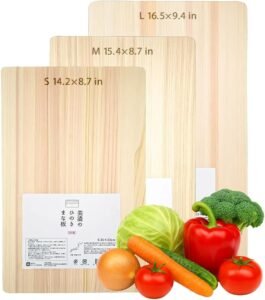
The first thing you notice is the material. Most Japanese boards are made from softwood like hinoki. This wood feels gentle under your knife. When you cut, it’s smooth and easy, not hard and rough like plastic boards.
If we look at it like a simple stack of benefits, the top ones are comfort, knife safety, and better control. Many people in cooking communities and online exchange platforms often ask questions about which board is best. A Japanese cutting board is usually one of the top answers because it gives a better overall experience.
Table of Contents
Comfort and Daily Kitchen Work
One big advantage is how it feels during use. When you cut vegetables or meat, the board supports your movement. It reduces pressure on your hands and wrists. Over time, this makes a big difference, especially if you cook daily.
Some users describe this as a smooth flow between the knife and the board. It feels natural. This kind of comfort helps you improve your cooking step by step, almost like leveling up in a game.
Connection with Online Communities
Just like developers share ideas on a network, cooking lovers also share tips and reviews online. In many Stack Exchange communities, people talk about their experience with Japanese cutting boards.
These platforms act as a trusted online community where people share real feedback. You’ll find detailed description posts, comparisons, and even links or a URL to helpful guides. Some users follow updates using an RSS feed or an RSS reader to stay updated.
This shared knowledge makes it easier for beginners to choose the right board and avoid mistakes.

Easy Care and Maintenance
Taking care of a Japanese cutting board is simple. Wash it with water, dry it properly, and don’t leave it soaked. You can think of it like a small daily automation routine.
This small effort keeps the board in good condition for a long time. Many users say that once they build this habit, it becomes part of their daily kitchen routine.
Design, Culture, and Simple Thinking
Japanese tools follow clean and simple conventions. There is no extra design, just what is needed. This idea is also seen in the Japanese language, where meaning and expression are clear and balanced.
Even things like pronunciations, words, and な-adjectives show how simple forms can carry deep meaning. A phrase like 心まで堕とすと shows strong emotion with a simple structure. In the same way, a cutting board may look basic, but it has deep thought behind it.

A Fun Way to Understand Through Language
In language learning, people talk about sentence structure, subjects, verb form, and adverb placement. You can think of a cutting board in a similar way. Every part has a role.
Even complex ideas like passives, indirect passives, or permissible inanimate agents can connect here. A cutting board is an object, but it plays an active role in your kitchen. These inanimate subject questions show how human thought gives meaning to simple tools.
Performance and Real Use
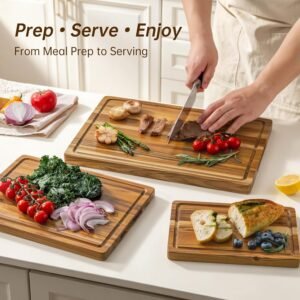
In real kitchen use, the board works well for vegetables, fish, and meat. The soft surface protects your knife and gives better control.
If we look at the scope of use, it fits both home cooking and professional kitchens. Many chefs say it improves their skills over time. It becomes part of their cooking journey and even their careers.
What People Say Online
In forums similar to Stack Overflow, users often ask if the board is worth it. The answer is simple: if you cook often, yes.
You’ll also see sections like hot network questions, where people compare boards, share tips, and discuss problems. This builds a strong current community where users learn from each other.
Some people even go into deep detail, like wood type and thickness. It’s like reading a full skill description before buying.
Long-Term Use and Aging
Over time, your cutting board will get marks. But instead of looking bad, these marks tell your story. They show how much you’ve used it.
Like moving through levels in a game, your board reflects your experience. It becomes part of your daily life, not just a tool.
Simple Final Thoughts
A Japanese cutting board is simple, useful, and well-designed. It makes cutting easier, protects your knife, and feels better to use.
Even if some terms like conditional verb form, passives, or verb sound complex, the main idea is easy: good tools make your work better.
In the future Stack Exchange network of cooking lovers, tools like this will always stay popular because they solve real problems.
So if you want something reliable and comfortable, this is a great choice. It’s not just about cutting food—it’s about making your kitchen work smoother and more enjoyable every day.